
Manufacturing facilities depend on complex systems working together seamlessly. When production lines, robotics, and control software do not communicate properly, efficiency suffers. Finding the right partner to design and implement these systems makes a significant difference. Choosing poorly can lead to costly delays and equipment that never quite performs as expected. Here is what business owners should evaluate before signing a contract.
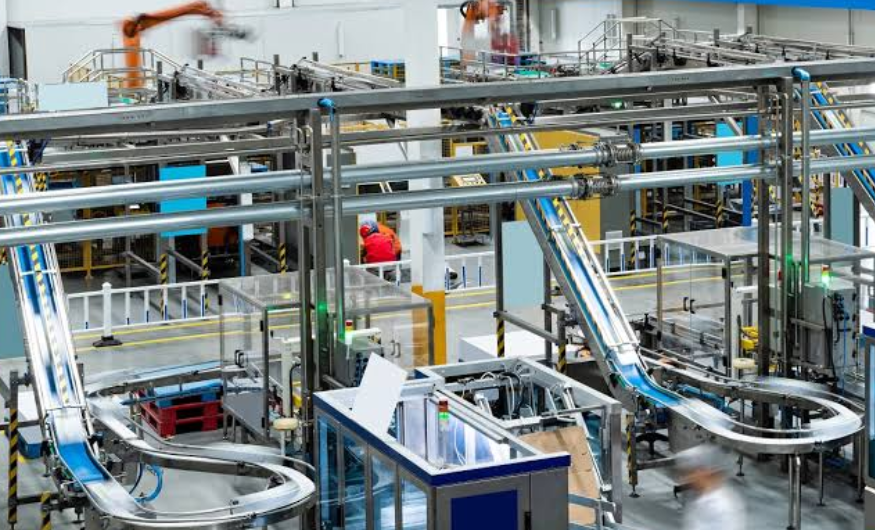
Finding the Right Automation Partner
Struggling to find a provider who truly understands your facility’s unique needs? A skilled industrial automation systems integrator Charleston SC manufacturers trust brings systems together correctly the first time. Here is what to look for.
Industry Experience Matters Most
Automation needs vary significantly across industries like food processing, packaging, and heavy manufacturing. A provider familiar with your specific sector understands common challenges and regulatory requirements unique to that space. This experience reduces guesswork during implementation. Ask potential integrators about similar projects they have completed previously. Relevant experience often means fewer surprises and a smoother transition once new systems go live on the floor.
Evaluating Technical Capabilities
Not every integrator works with the same equipment brands or software platforms. Some specialize in specific control systems while others offer broader compatibility. Understanding what technologies a provider supports helps ensure compatibility with existing equipment. Ask detailed questions about their certifications and training on relevant platforms. A provider unfamiliar with your current systems may struggle with integration, leading to delays or performance issues after installation.
Project Management and Communication
Complex automation projects involve multiple phases, from design through testing and final implementation. Clear communication throughout this process prevents misunderstandings and keeps timelines on track. Ask how a potential provider handles project updates and unexpected challenges along the way. A provider who explains technical decisions in understandable terms builds more trust. Strong project management often separates successful implementations from frustrating, drawn-out experiences.
Support After Installation
Automation systems require ongoing support long after initial installation finishes. Software updates, troubleshooting, and occasional repairs all factor into long term performance. Ask about response times for support requests and whether remote troubleshooting options exist. A provider offering strong after installation support prevents extended downtime when issues eventually arise. This ongoing relationship often matters more than the initial installation process itself for long term satisfaction.
Comparing Proposals Carefully
Gathering multiple proposals helps business owners understand fair pricing and different approaches to the same problem. Look beyond the bottom-line cost alone. Consider proposed timelines, included support, and how well each provider understood your specific challenges during initial conversations. A significantly lower bid sometimes signals cut corners or less experience. Thorough comparison leads to a more informed, confident final decision.
Conclusion: Finding the Right Automation Partner
Choosing the right systems integrator requires looking beyond price alone. Industry experience, technical capabilities, and strong project communication all shape a successful outcome. Reliable after installation support ensures systems keep performing well over time. Comparing proposals thoroughly helps business owners select a partner suited to their specific operational needs and long-term goals.
Recent Comments