
The Warning Signs That Mean a Tree Cannot Wait Any Longer
Most tree emergencies do not appear without warning. They develop gradually through a progression of visible signals that many homeowners notice but do not act on until a storm or sudden failure forces the issue. Learning to recognize those warning signs early is one of the most valuable things a property owner can do to protect their home, their family, and the people around them.
Knowing When to Act Keeps a Problem from Becoming a Crisis
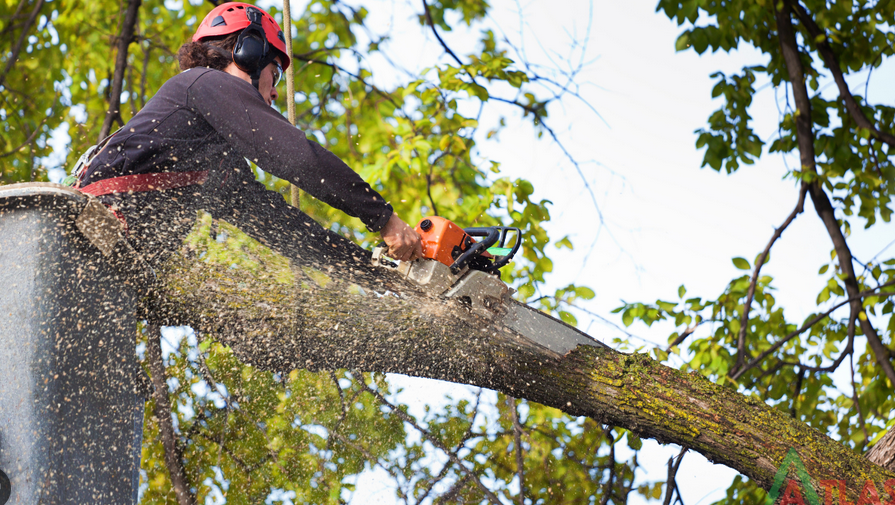
The difference between a managed tree removal and a true emergency often comes down to timing. Property owners who recognize the early warning signs and reach out to a trusted emergency tree removal Atlanta service before conditions deteriorate give themselves options that disappear entirely once a tree comes down on its own terms.
Visible Decay Is Never Just a Cosmetic Concern
To begin with, decay visible on the exterior of a tree trunk or major limb is almost always a sign of more extensive internal deterioration than what the surface reveals. Soft or spongy wood, fungal growth at the base, and hollow sections that produce a dull sound when tapped are all indicators that the structural integrity of the tree has been compromised from within. A tree does not need to be entirely hollow to become dangerous.
Leaning That Develops Suddenly Demands Immediate Attention
Furthermore, there is an important distinction between a tree that has grown at a gradual angle over many years and one that has recently begun leaning in a new direction. A sudden or progressive lean is one of the most urgent warning signs a property owner can observe because it frequently indicates root failure or soil instability that places the tree at genuine risk of complete toppling.
Dead Limbs Concentrated in the Crown Signal Systemic Decline
Another warning sign that warrants serious and prompt attention is a significant accumulation of dead or dying limbs in the upper canopy of a tree. While a single dead branch is a routine maintenance concern, widespread crown dieback indicates a systemic problem affecting the tree’s ability to sustain itself. Disease, severe root damage, pest infestation, and girdling roots are among the underlying causes that produce this pattern of decline.
Proximity to Structures Raises the Stakes of Every Risk Factor
Finally, every risk factor associated with a potentially failing tree becomes significantly more serious when that tree is positioned near a home, garage, fence line, or area of regular foot traffic. A declining tree standing in an open field presents a very different risk profile than an equally compromised tree positioned directly over a roofline or driveway.
Conclusion: Knowing When to Act Keeps a Problem from Becoming a Crisis
To sum it all up, the warning signs that a tree requires urgent attention are visible to anyone who knows what to look for. Exterior decay, sudden leaning, widespread crown dieback, and dangerous proximity to structures are all signals that professional evaluation and likely removal cannot be safely deferred. Trees do not improve on their own once structural decline has begun. Act on the warning signs while the situation is still manageable, and you will never have to discover firsthand what happens when a compromised tree decides the timing for you.
Recent Comments